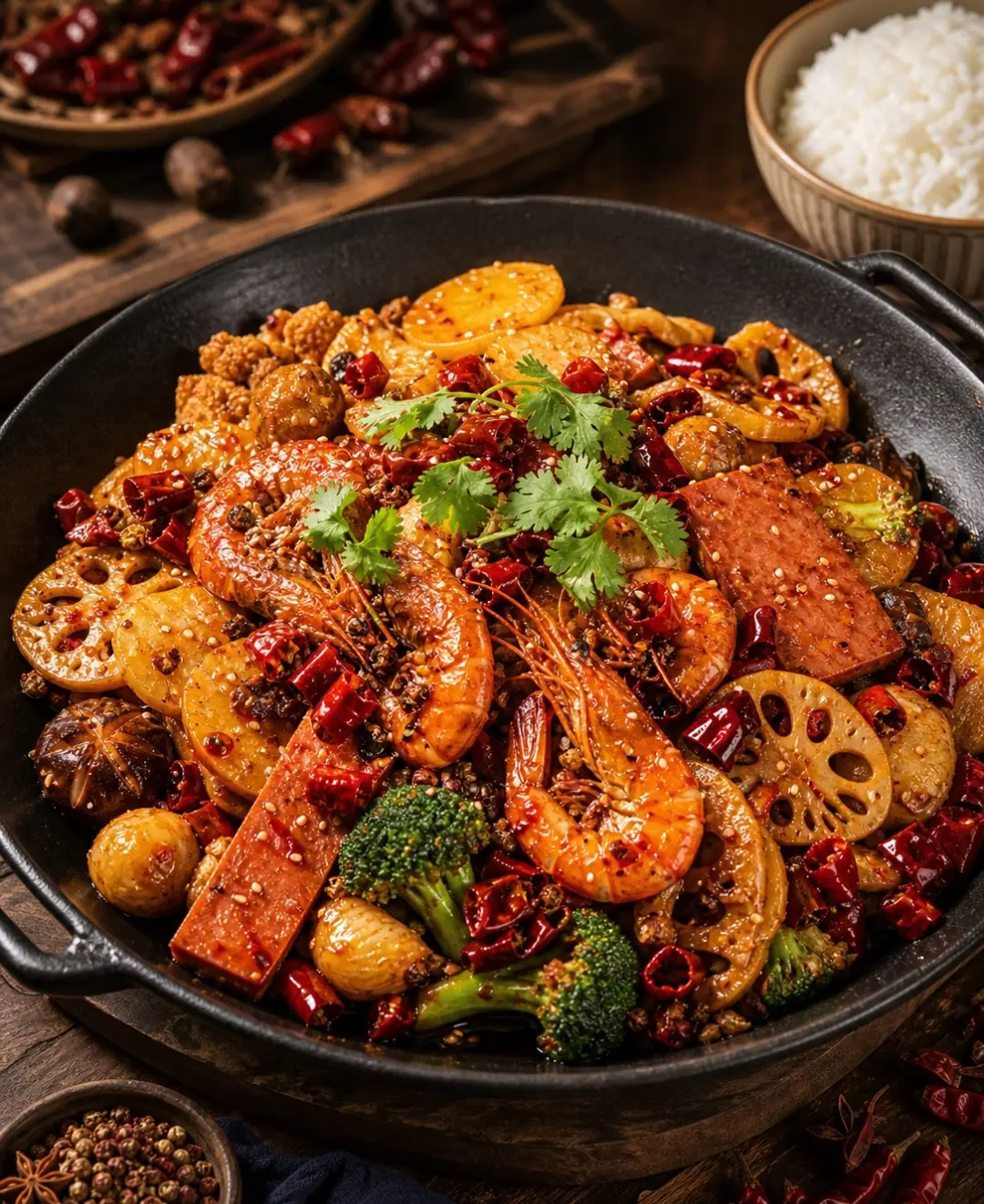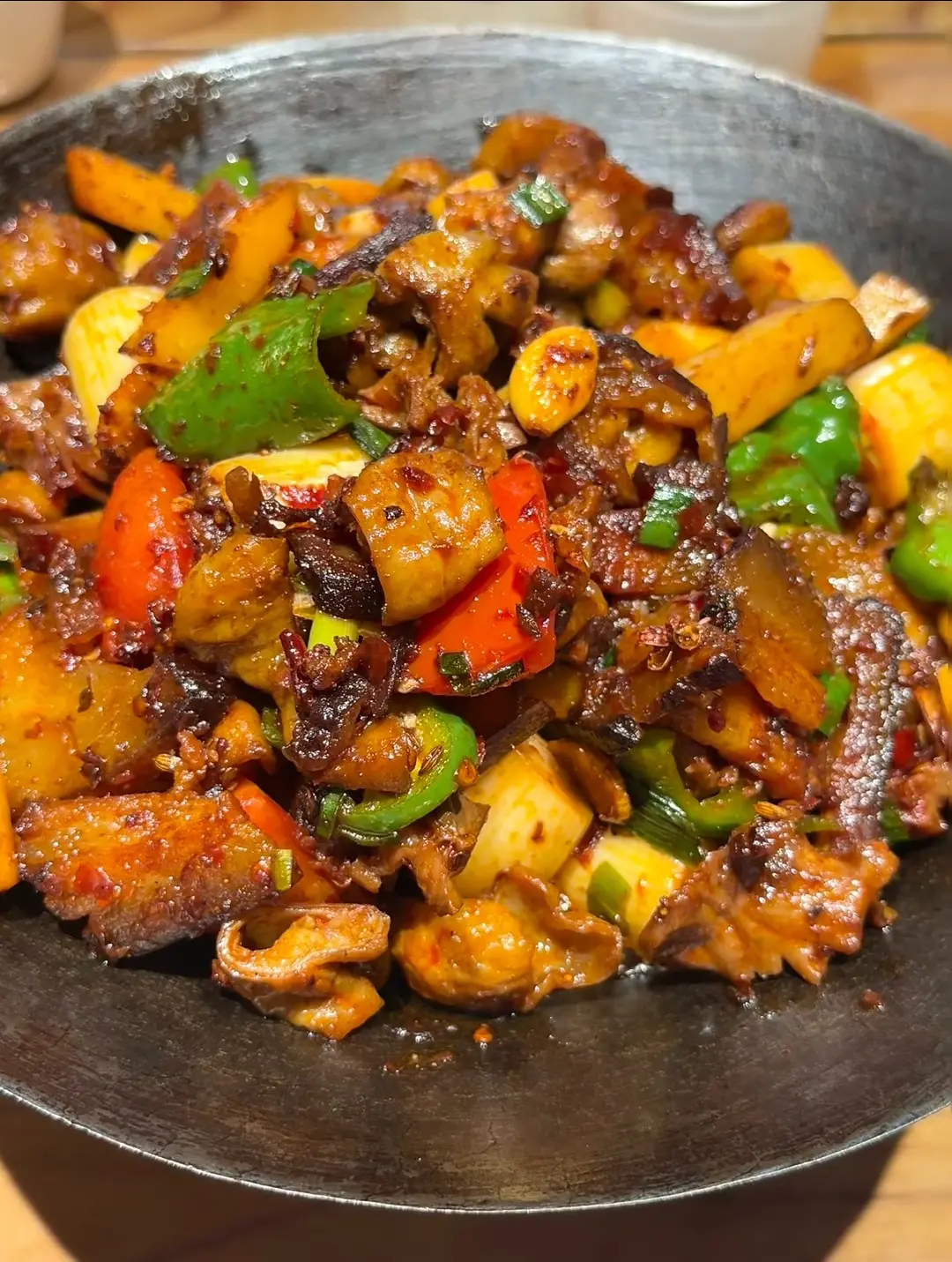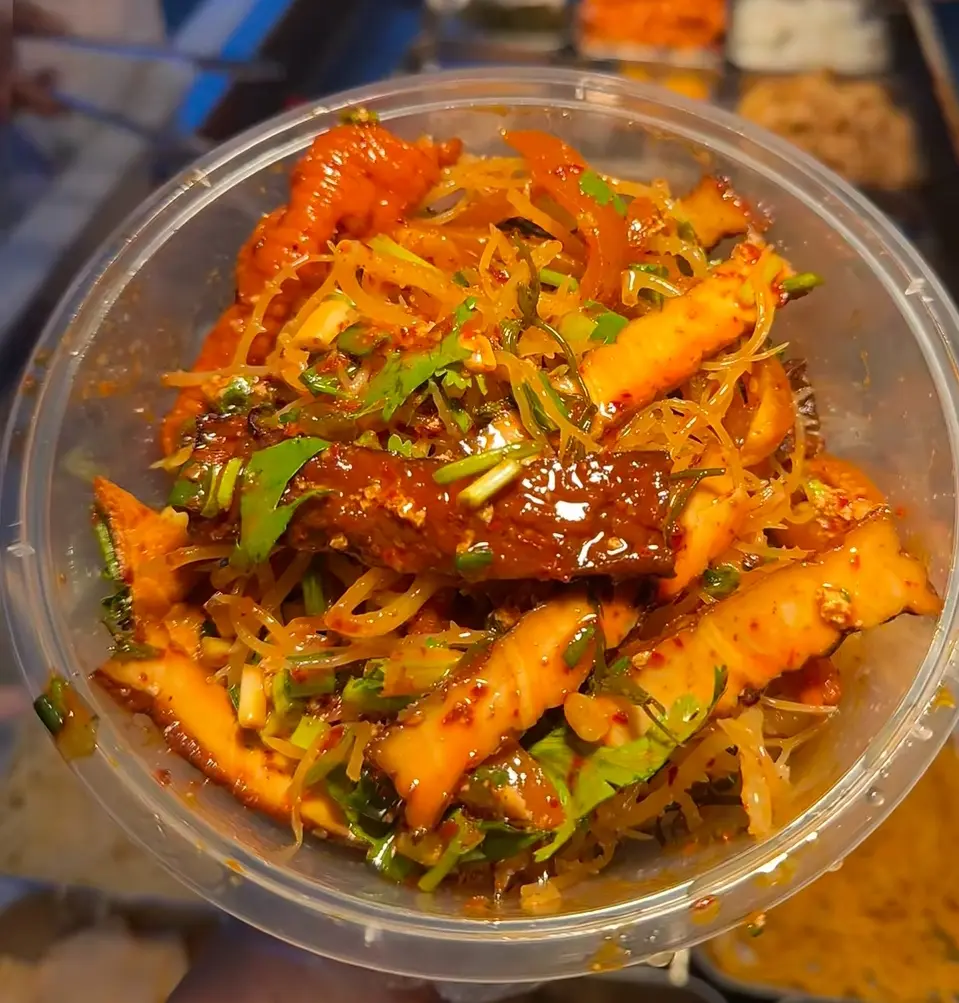
Hunan cuisine is one of China's eight major culinary traditions. Rooted in the landscapes of Hunan, it blends ancient Chu-era customs, immigrant culture and multi-ethnic influences. Its defining characteristics are bold fresh spiciness, smoked and cured ingredients, intense wok hei, and skillful pickling. Its spiciness is not numbing mala-style heat; instead, it emphasizes spicy yet vivid flavours, preserving the natural taste of ingredients.
Hunan cuisine enjoys a long history. Summons of the Soul in Chu Ci dating back to the Warring States Period records the feast delicacies of the Chu region, indicating that sophisticated culinary customs had taken shape more than 2,000 years ago. Food slips unearthed from the Mawangdui Han Tomb documented cooking techniques such as simmering, roasting and boiling, which verify the embryonic form of Hunan cuisine in the Han Dynasty. Chili peppers were introduced to Hunan in the late Ming Dynasty. From the Qing Dynasty onward, they were widely adopted in dishes and established the flavour profile of modern Hunan cuisine. The military campaigns of the Hunan Army helped popularize Hunan cuisine nationwide, cementing its status as one of China's Eight Great Cuisines.
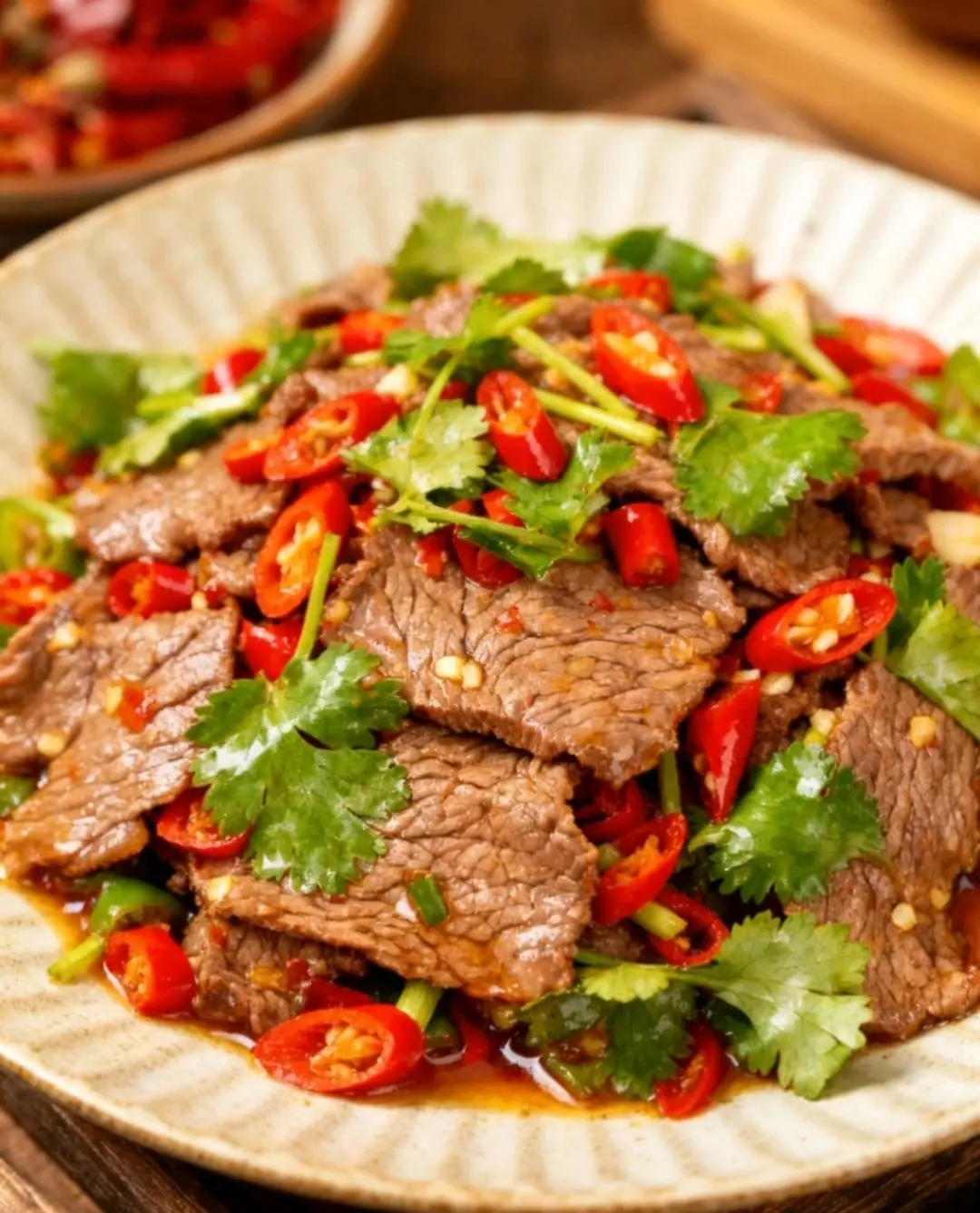
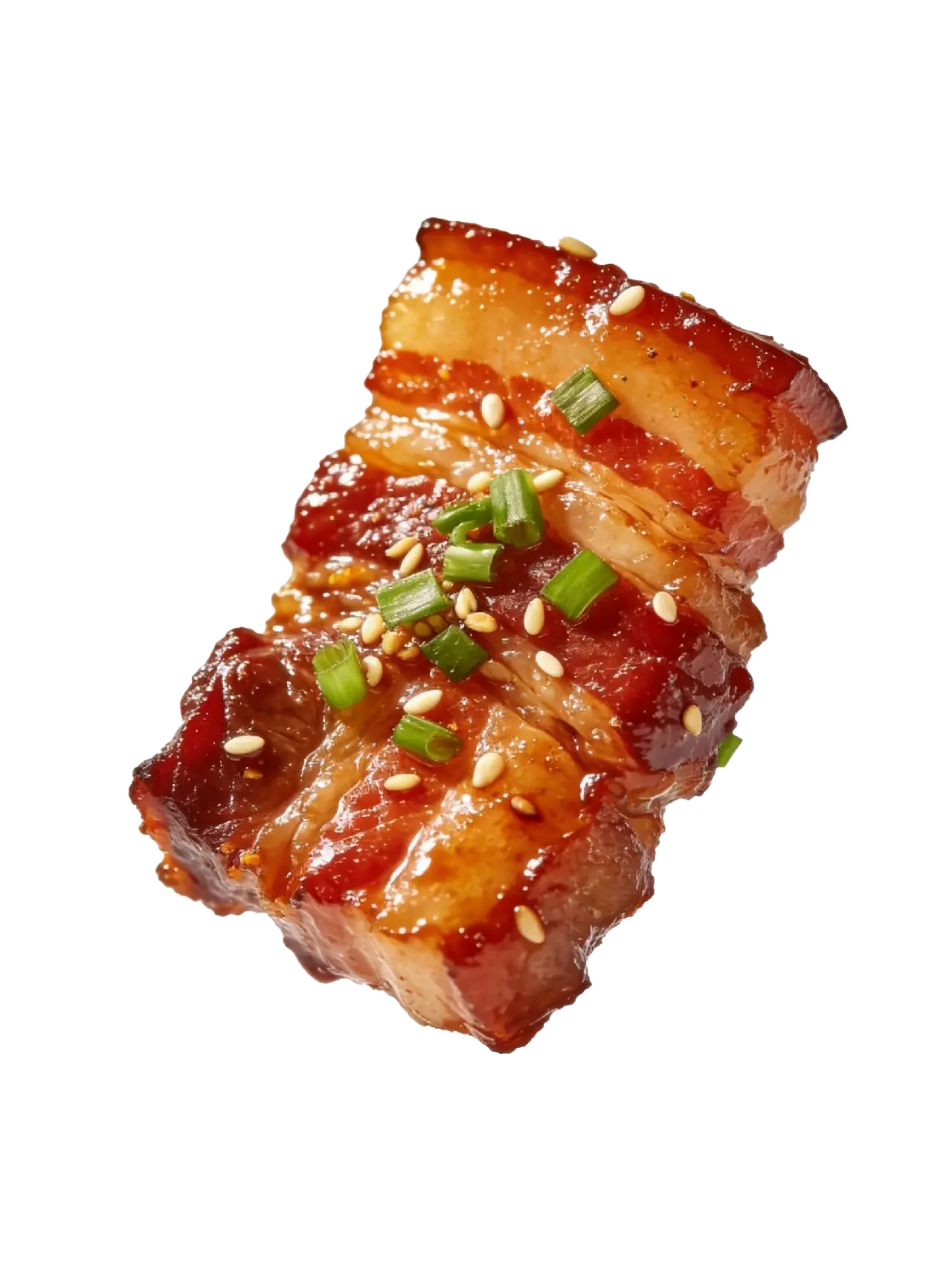
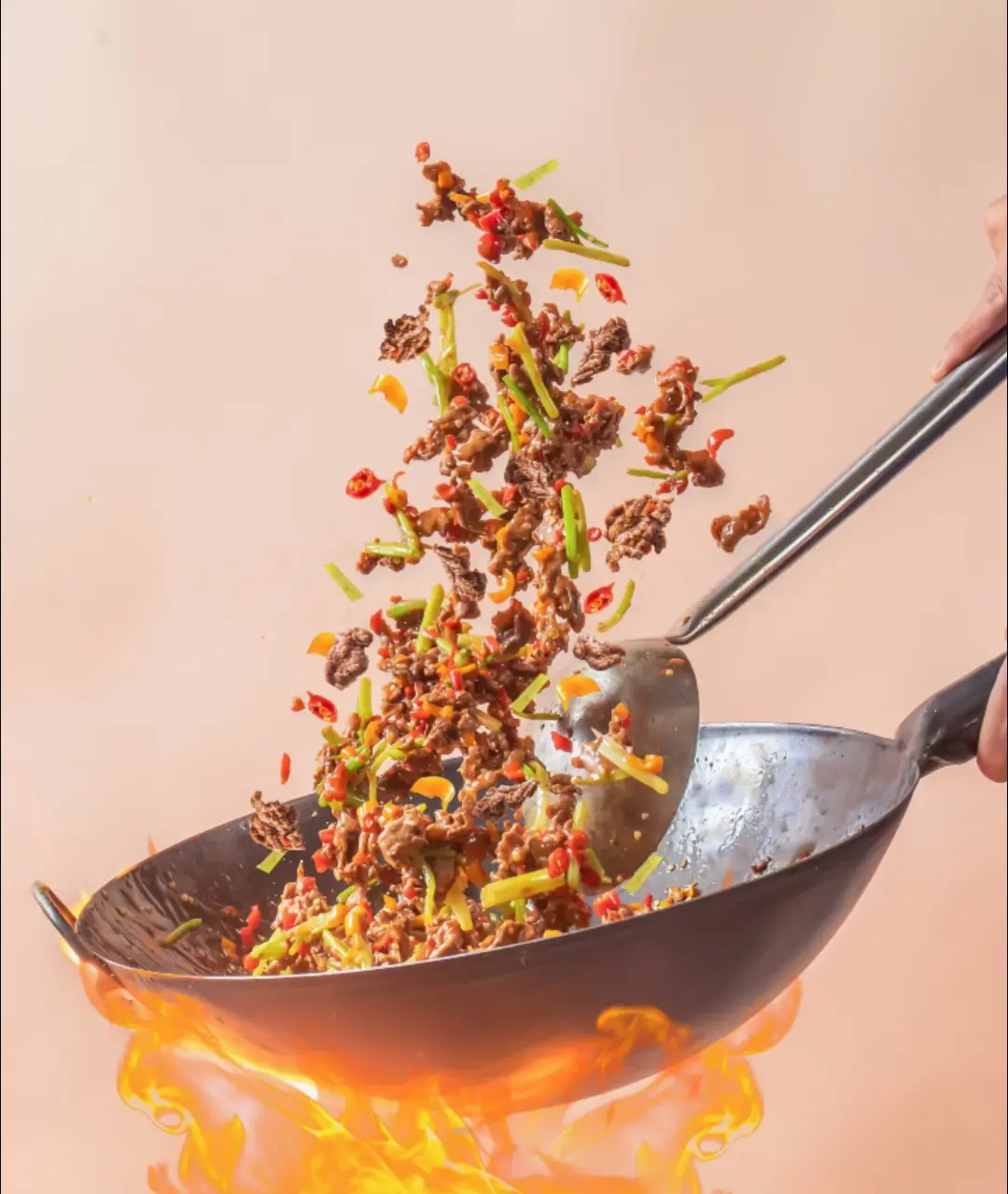
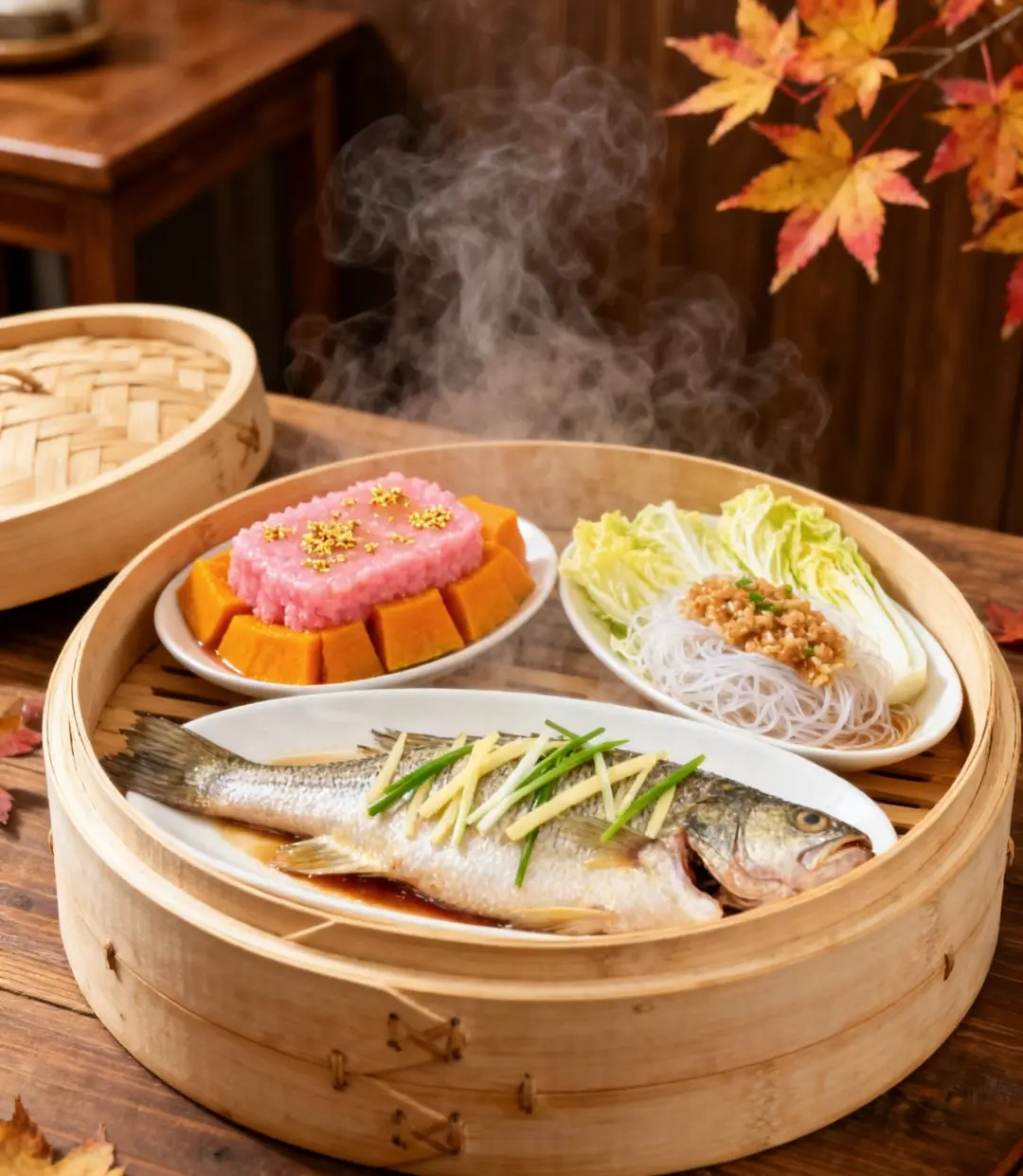
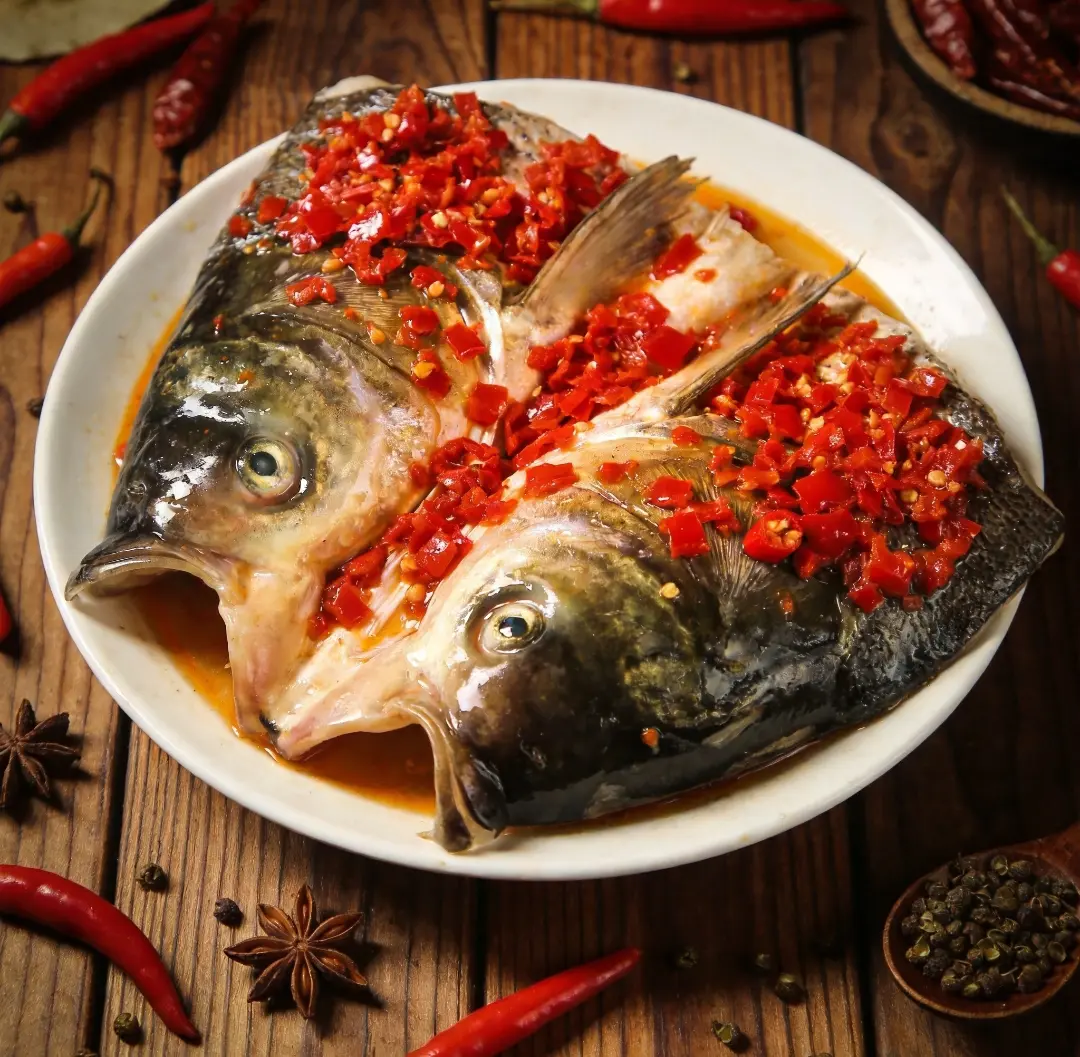
The integration of official cuisine and folk food features a wide range of ingredients, rich oil and vibrant colours. It excels at simmering, stewing, stir-frying and steaming, focusing on thorough flavour penetration and strong wok hei. Representative dishes: Steamed Fish Head with Chopped Chili, Stir-fried Pork with Chili, Steamed Assorted Cured Meats, Zu'an Shark Fin, Stir-fried Shredded Beef.
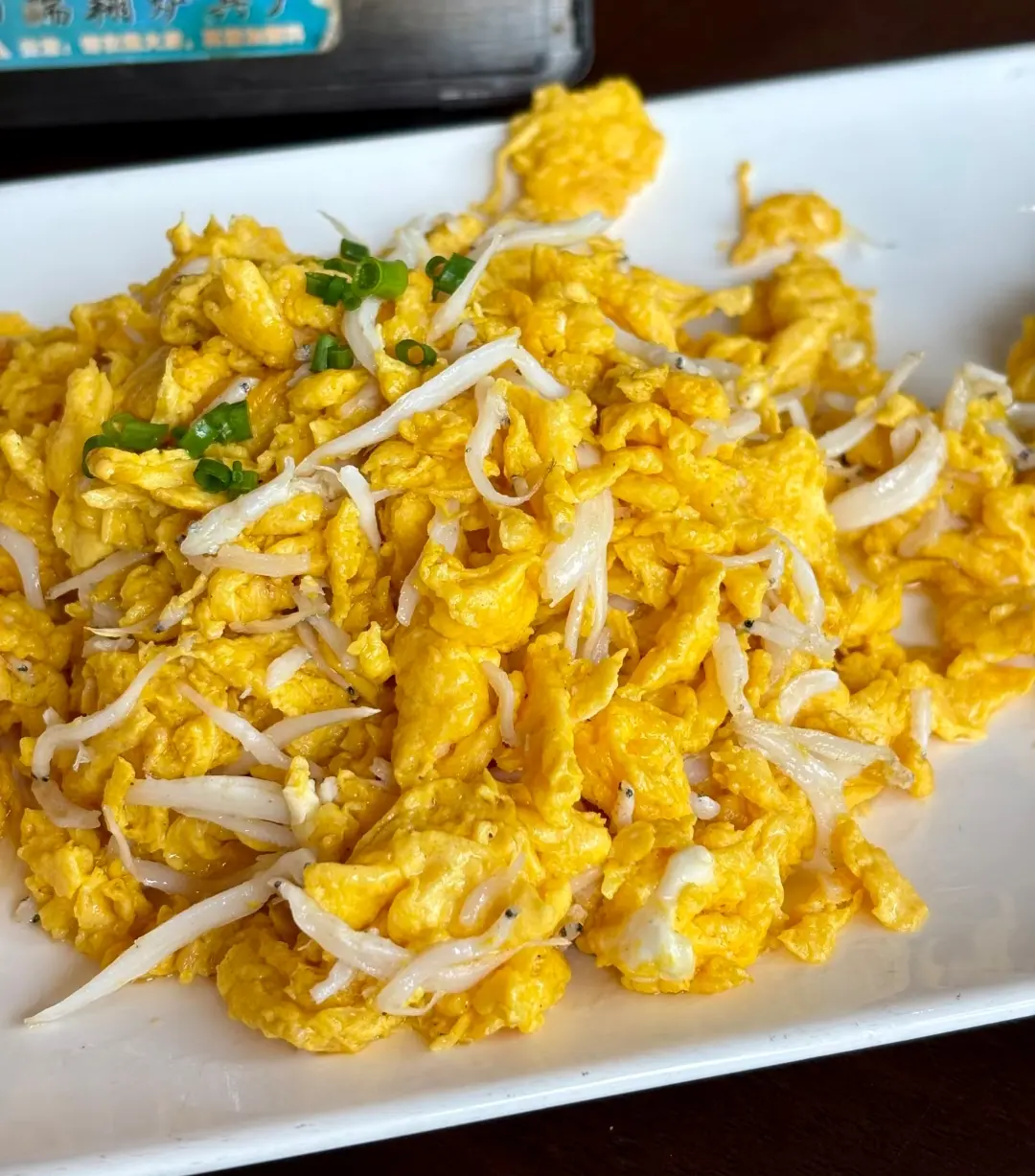
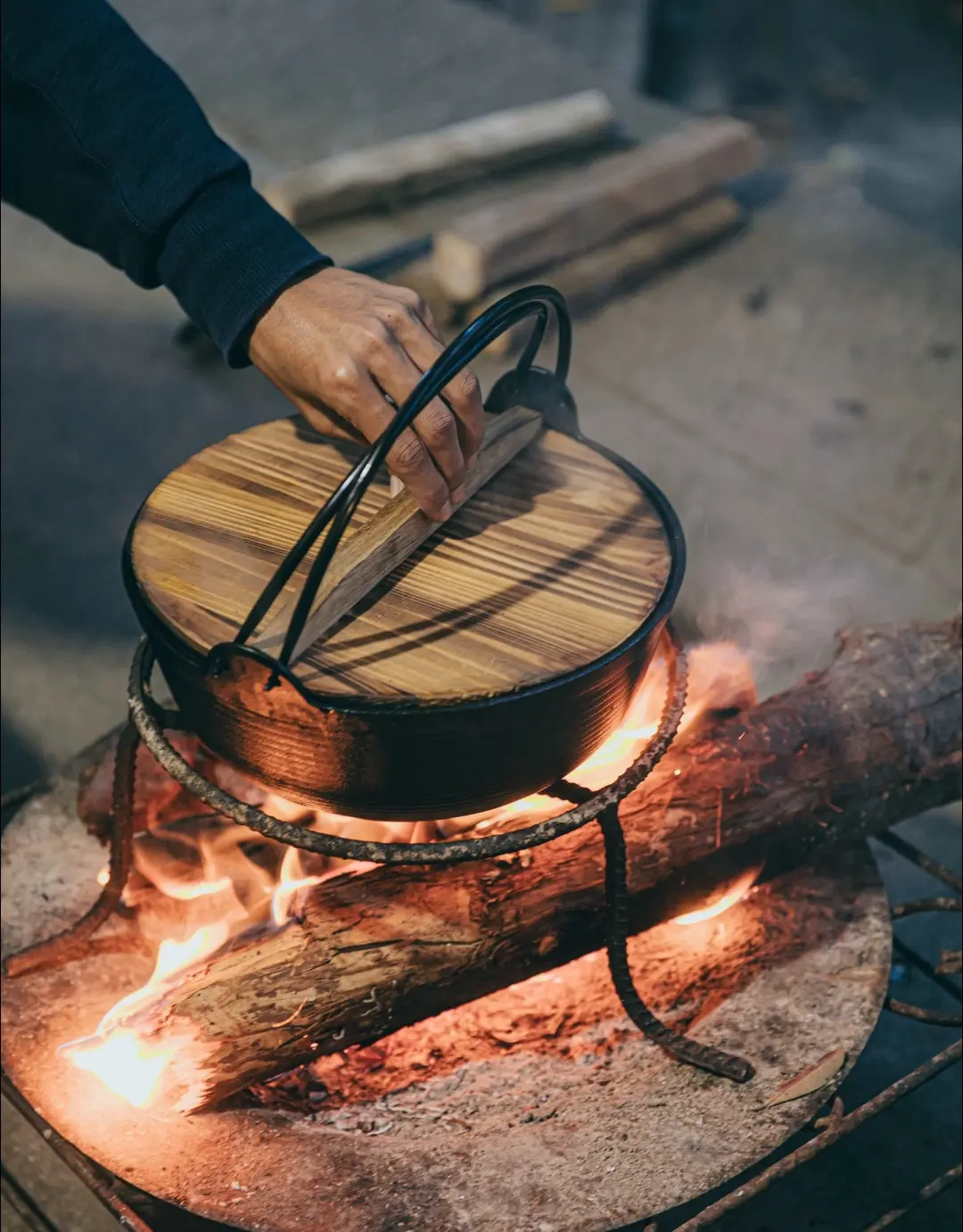
Relying on aquatic products from Dongting Lake, this cuisine features river seafood and poultry, mostly cooked by stewing, boiling and simmering in earthen pots. Earthen pot dishes are popular among locals, enjoyed while simmering, with a salty, spicy and tender taste. Representative dishes: Changde Earthen Pot Cuisine, Yueyang Whole Fish Feast, Scrambled Eggs with Whitebait.
The food culture of the Tujia and Miao peoples blends together, featuring plenty of smoked cured foods, pickles and dry-pot dishes. Cured pork and fish are smoked in autumn and winter, and jarred sour vegetables and blood cakes are local specialties. Representative dishes: Xiangxi Cured Pork, Blood Cake Duck, San Xia Guo (Three-Pot Stew), Rice Tofu.
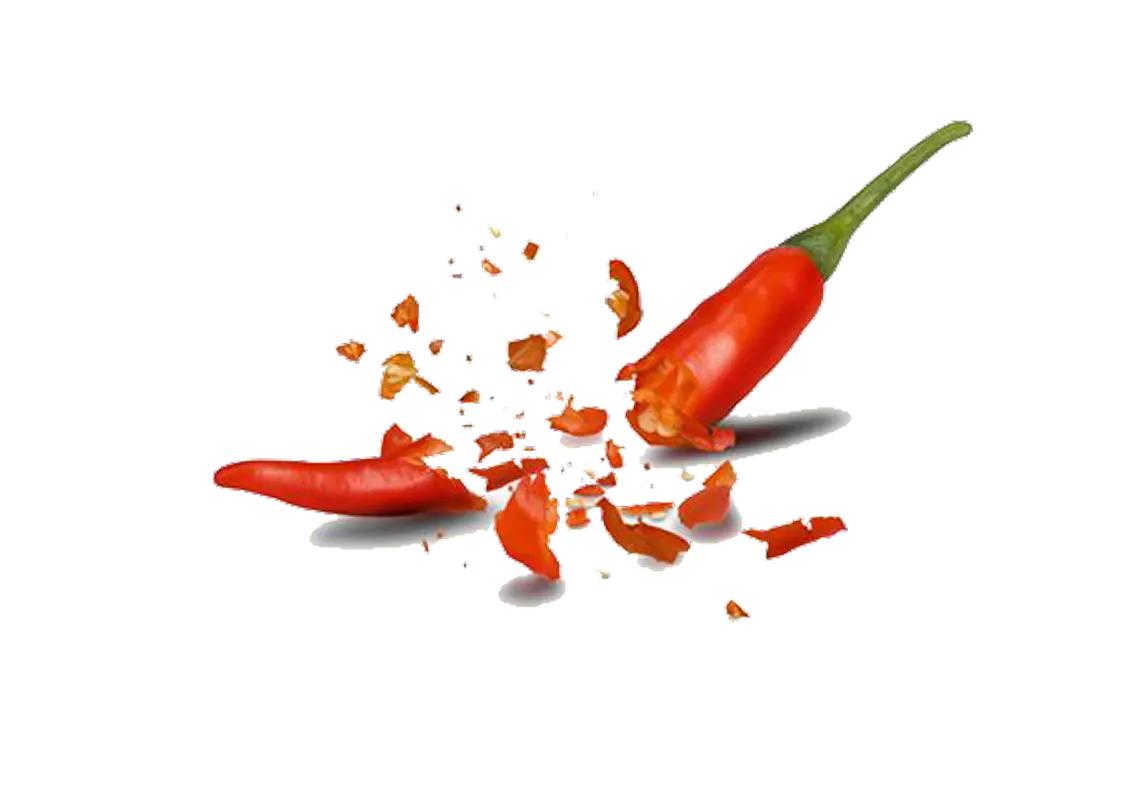
Unlike the numbing spiciness of Sichuan cuisine, Hunan cuisine features fresh spiciness, sour spiciness, dry spiciness, fermented soybeans spiciness and cured meat spiciness. Chili peppers bring out original taste of ingredients instead of simply delivering overwhelming heat.
Cured pork, cured fish and cured chicken are smoked over fire pits in autumn and winter. They can be served cold as appetizers, or stir-fried and steamed. They are the centrepiece of family feasts during the Spring Festival.
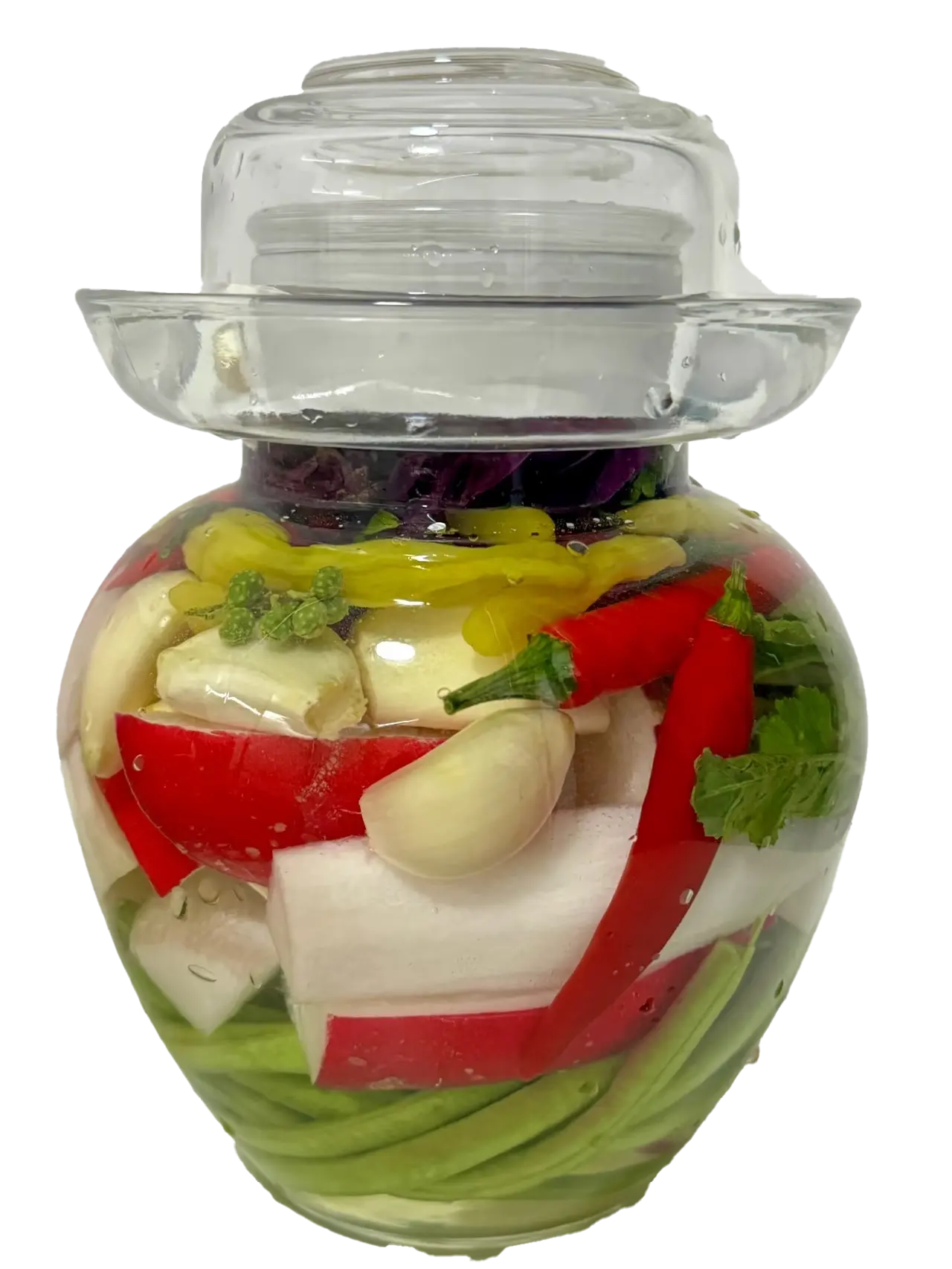
Chopped chili, sour cowpeas, Grandma's preserved vegetables and fermented black beans are kept in jars in every household. The sour taste helps counteract the humid and hot climate. Liuyang fermented black beans have been famous since ancient times.


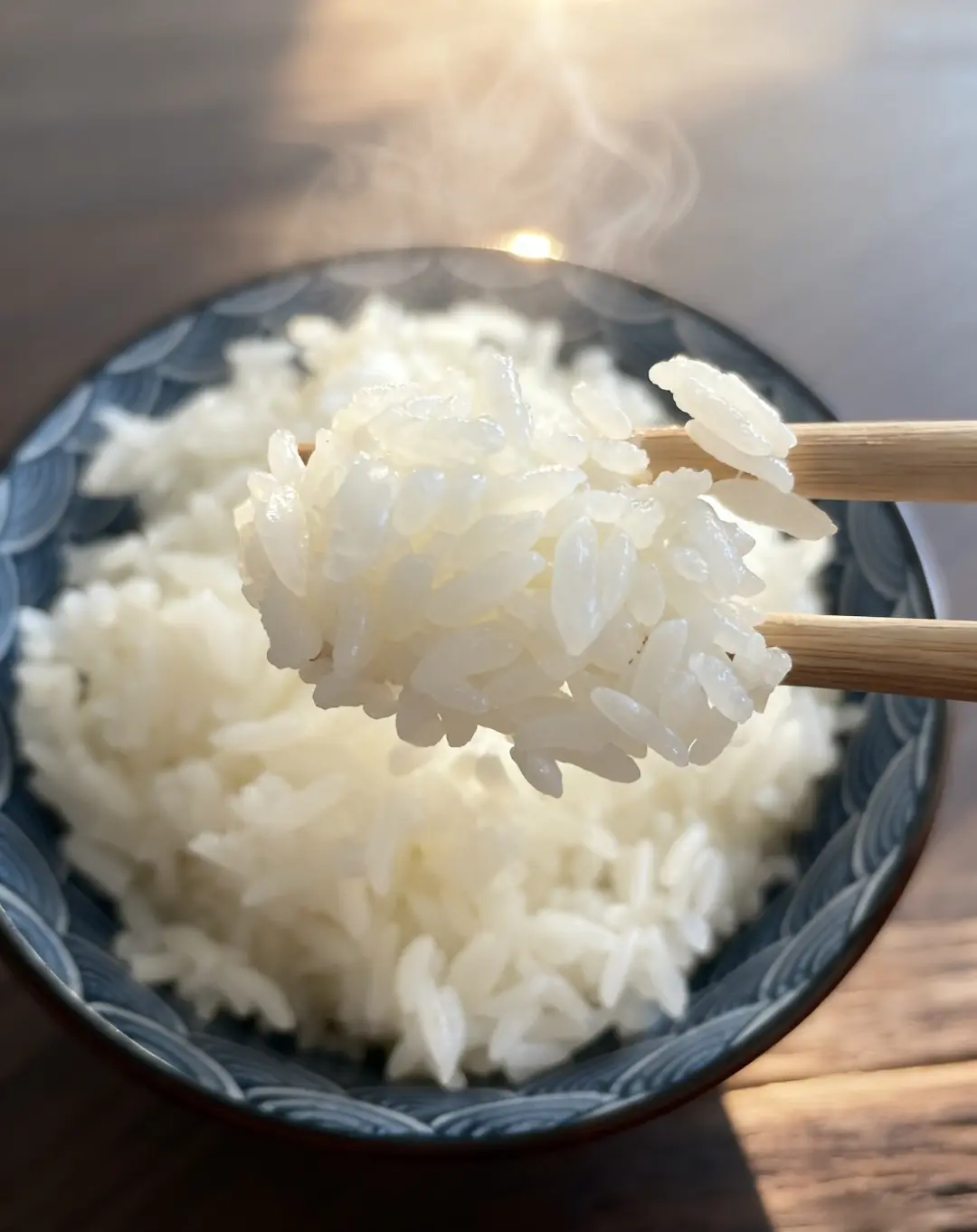
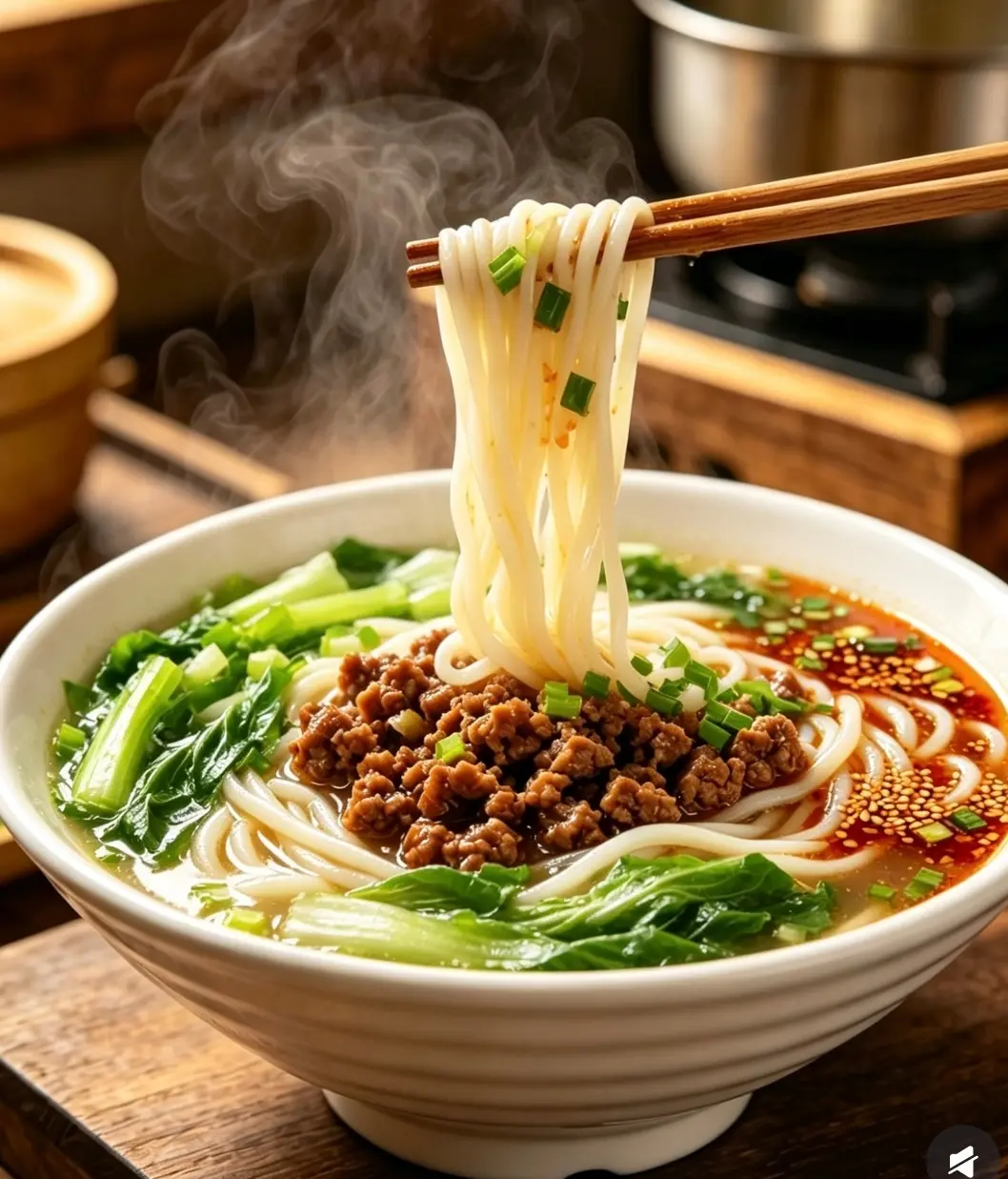
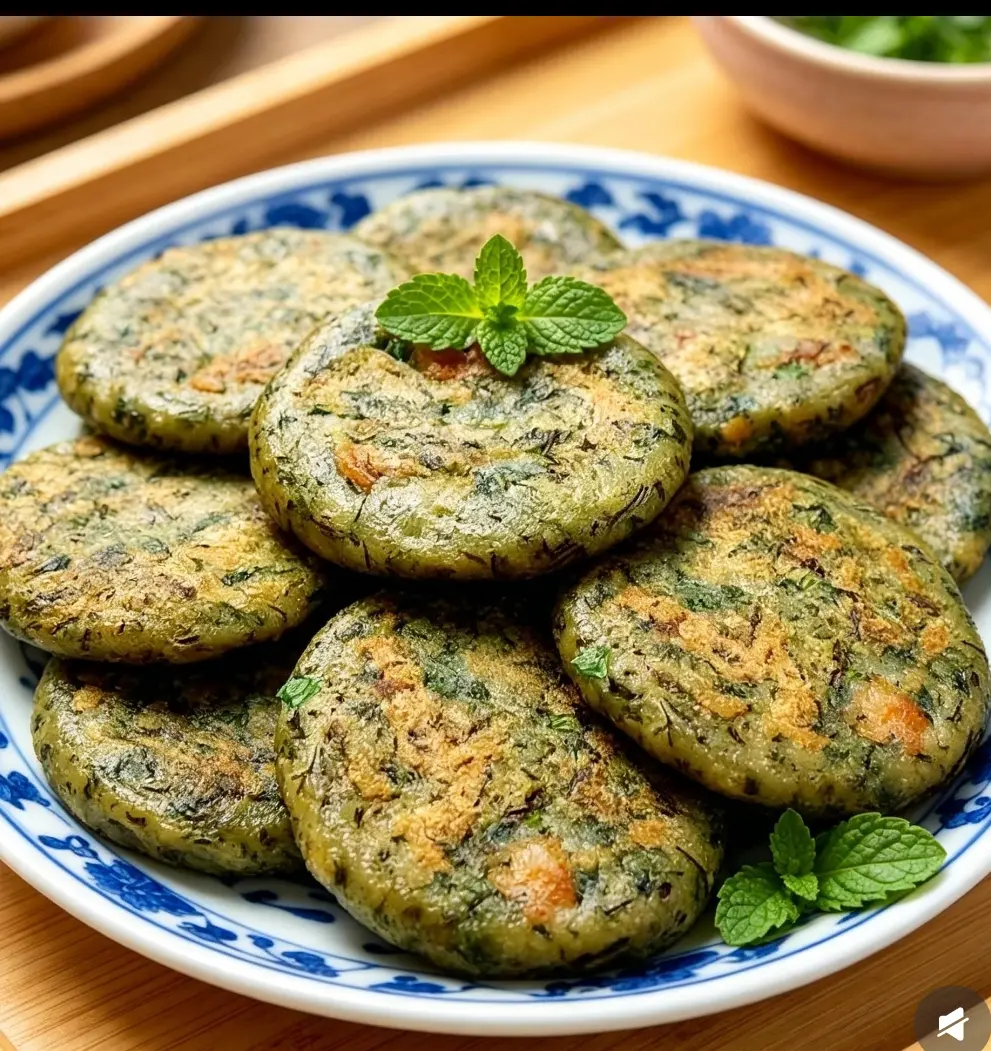
Rice serves as the staple food. Rice noodles are a daily urban food, including Changsha rice noodles and Jishou beef rice noodles. From Changde, Both soup noodles and stir-fried noodles are widely popular. In mountainous areas, people eat glutinous rice cakes and wormwood cakes.
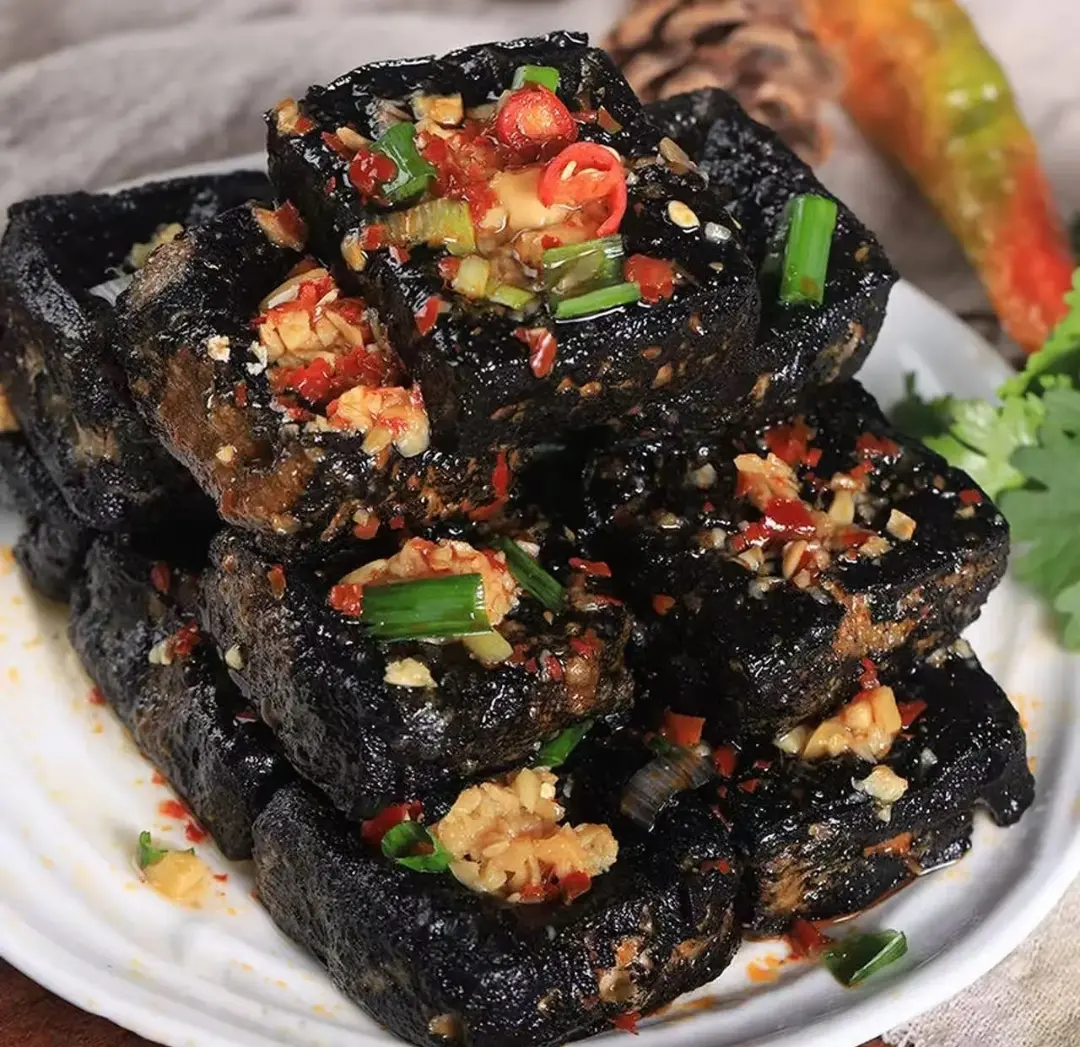
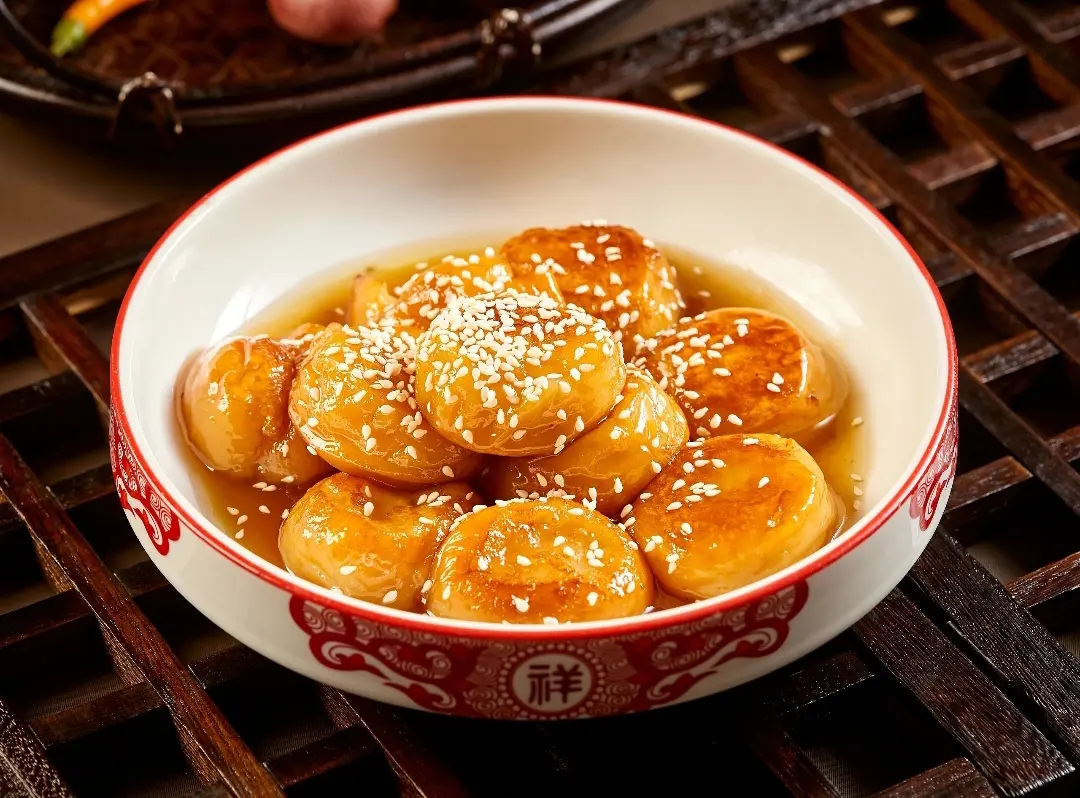
Changsha Stinky Tofu, Sugar Oil Rice Cakes, Western Hunan Rice Tofu, Wugang Braised Dishes, Changde Green Tea and Dongting Cake (Rice Sponge Cake).
Diet is the epitome of regional culture. The formation of Hunan food culture is deeply rooted in the essence of Huxiang culture. Hunan people's fondness for chili reflects their adventurous, resolute, bold and passionate personalities. Their preference for original flavours and simplicity embodies the pragmatic and down-to-earth attitude towards life. The tradition of eating seasonal food and sharing delicacies among neighbours demonstrates the Huxiang people's humanistic sentiments of valuing friendship, family reunion and folk customs.